A Letter to R
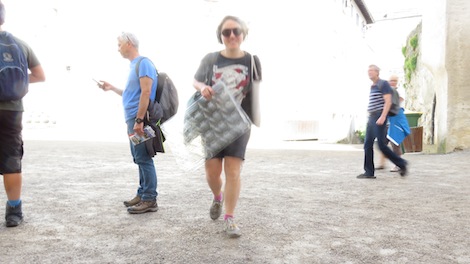
Noële Ody entering the Academy
Photo: Stephen Mathewson
Have you read I Love Dick – Dick is a person – by Chris Kraus? Basically, the book is consisted of hybrid love letters blended with essays and reviews.
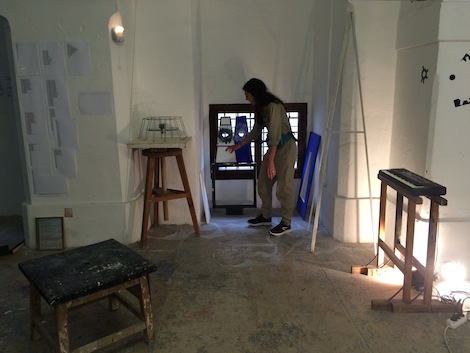
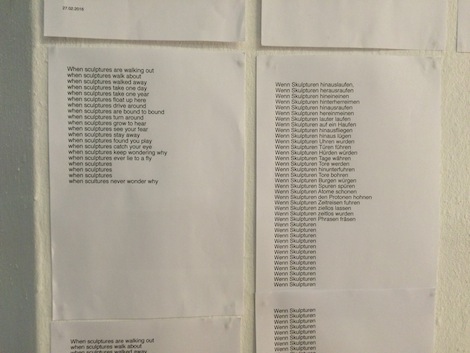
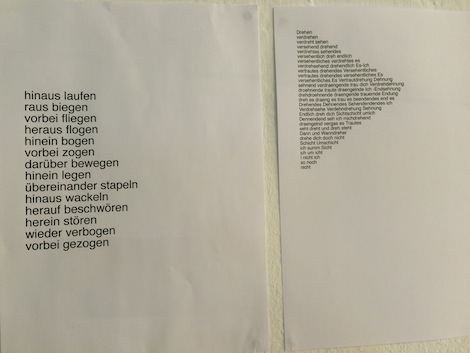
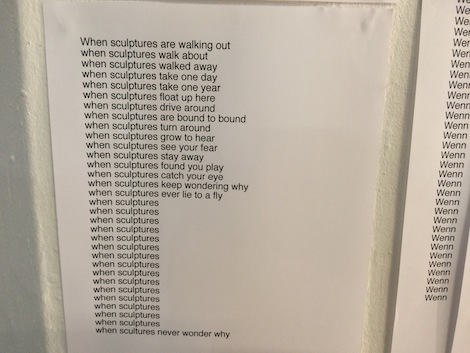
I’ve heard your complaint about the fact that I’ve post almost nothing about Nora Schultz’s class When Sculptures Walk Out that you were a part of. You’re damn right! I was thinking last night how that has even happened, as it was my favourite class (I’ve written that in mail to the co-teacher Sam Siwe, approximately a week ago, and asked him not to tell anyone.) To be honest, I really didn’t like one of the students – that happens to me rarely –as she/they/he was so rude to me, but at the end I started to feel sympathy even towards her/them/him.
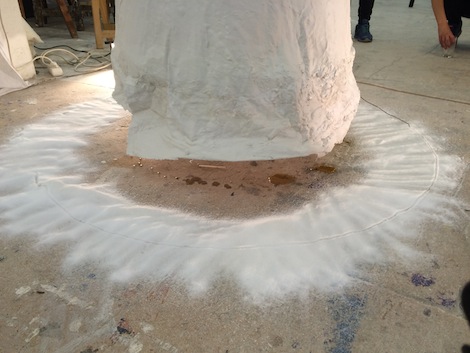
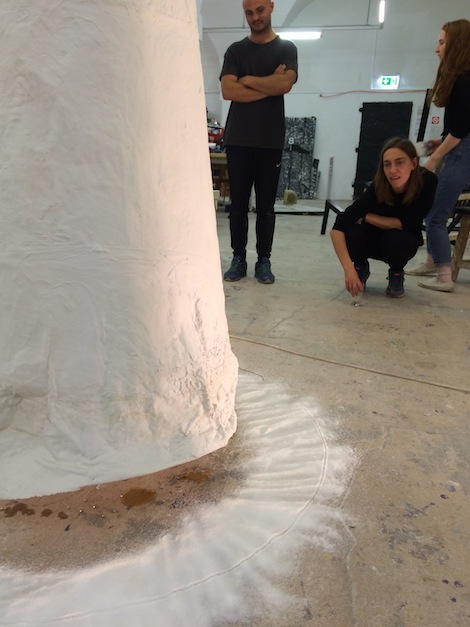
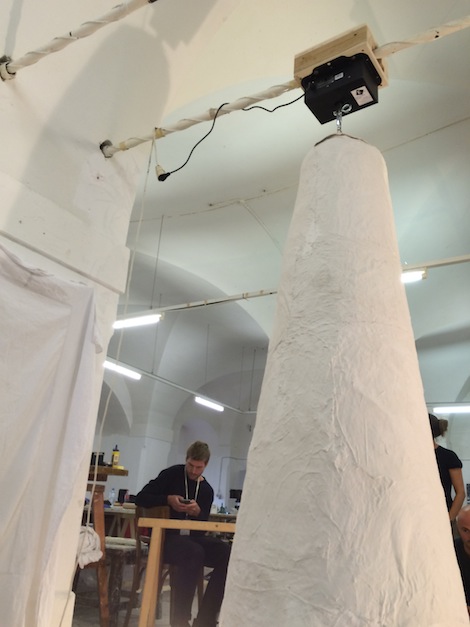
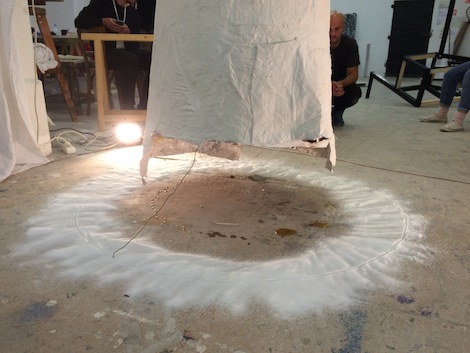
The class opened my eyes to another way of seeing what sculpture is. Besides Nora’s (Schultz) extremely cool approach towards sculpture (I mean we are talking about “walking out sculptures”, and seeing the virtual reality as a sculptural space!!), all the discussions in the class from Lacan’s id-real-symbolic to Julie Kristeva’s The Place of Horror attracted me a lot. I remember Nora saying that art production and gender questions intertwined with each other especially in contemporary cultural production. I so agree! Deleuze&Guattari’s notion rhizome was inevitably on the table in relation to identity politics, which at the end, is strongly bound to sculpture as well.
Actually, one of the reasons for not posting on time about the class was the fact that I was waiting replies from Nora (Schultz) and another artist-student from your class for the confirmation of interviews. Unfortunately, we couldn’t manage to meet w Nora, because of timing, but Matthew (Crookes) has written to me today so I’ll post about his blog that Nora pointed out last Friday.
I’ve realized that my eyes have been looking for you the other day, when I was passing by the café that you were a regular. Greeting you with a nod became a bodily habit that I haven’t recognized before.
Best,
G
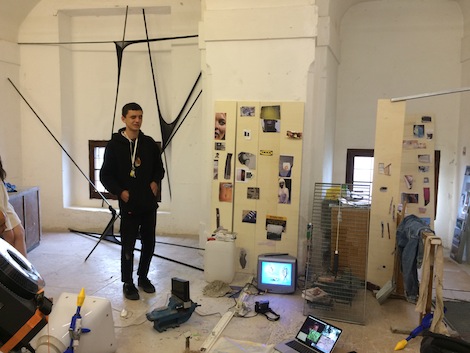
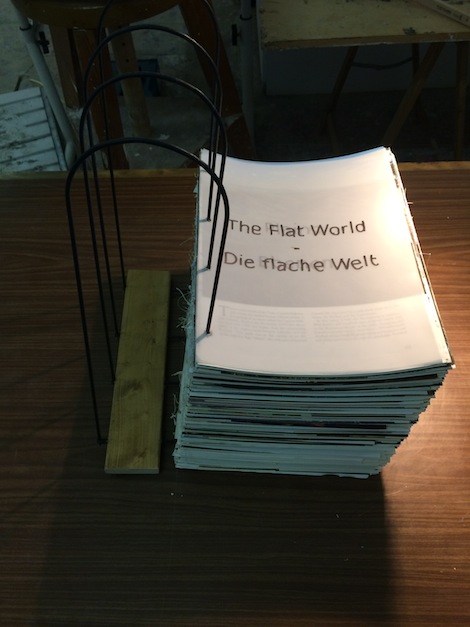
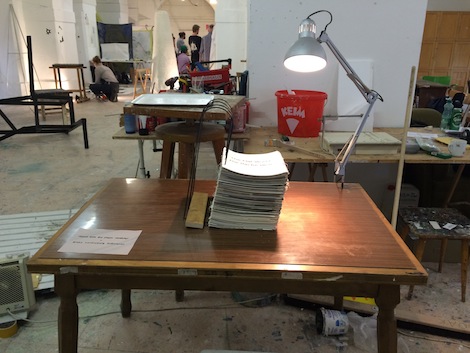
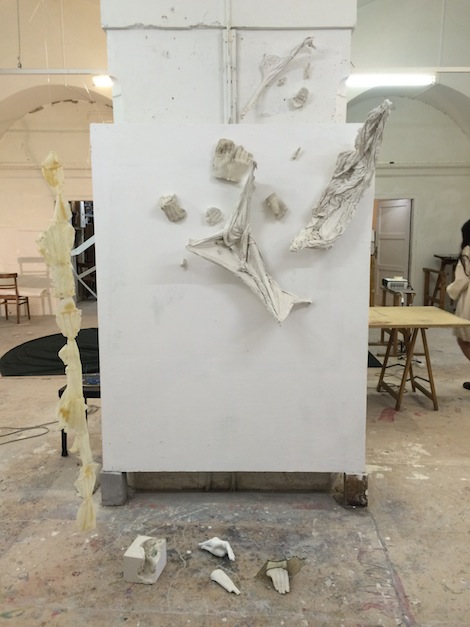
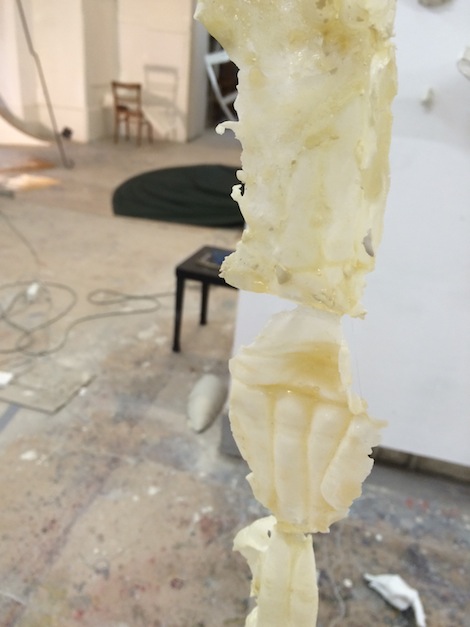
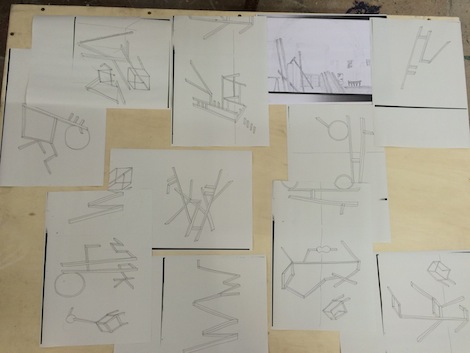
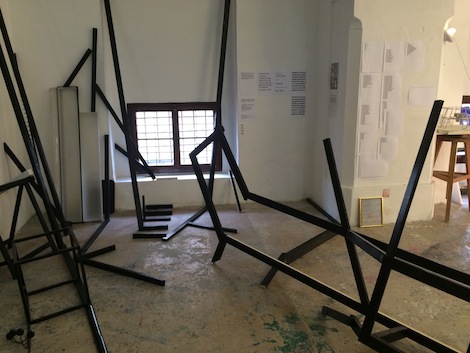
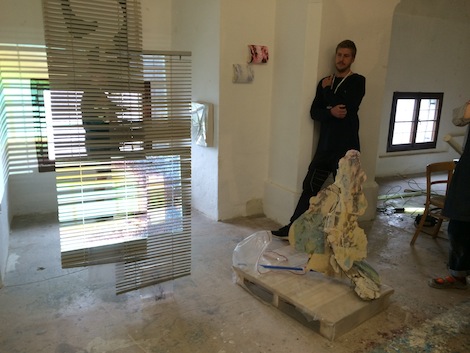
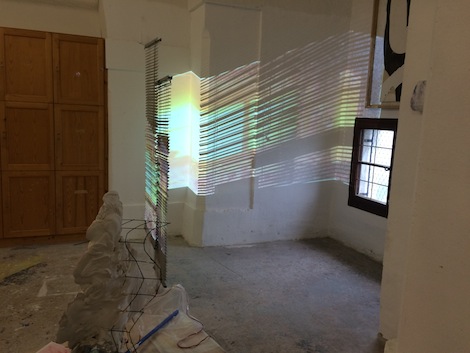
p.s. I'm sending you some images from last Friday.


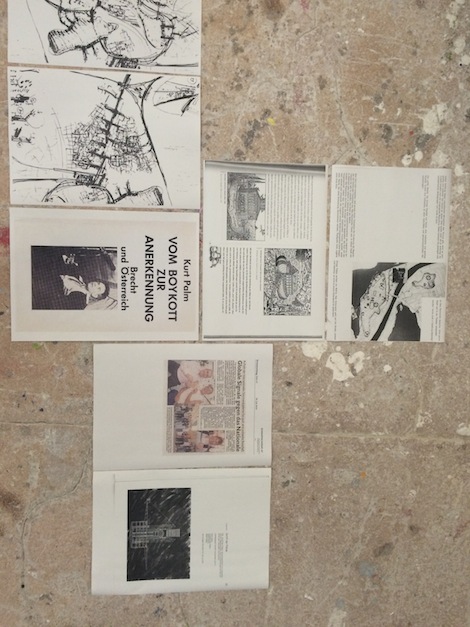
Notes from the conference Global Academy?
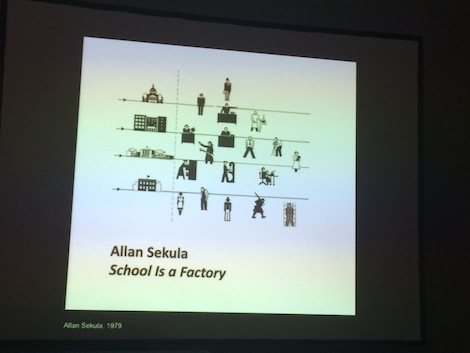
From Sam Thorne's lecture Art School Confidential
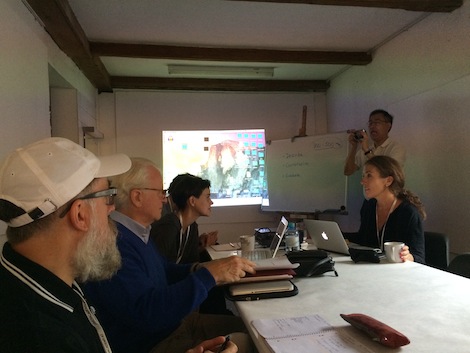
Last weekend, the Academy had guests from various parts of the world such as Dhaka, Amman, Arnheim, London... Hildegund Amanshauser, Sabine B. Vogel, Simone Wille have been working for 1.5 years to realize this conference. They were curious: "How do other institutions in the world deal with contemporary art education?"
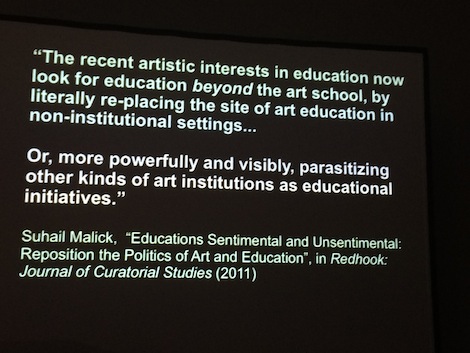
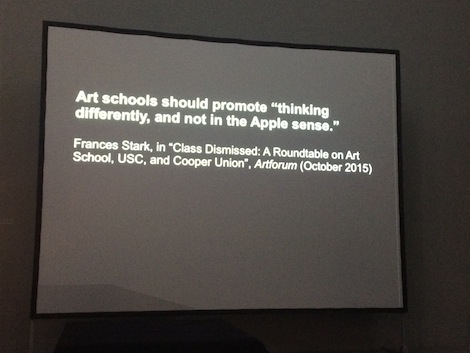
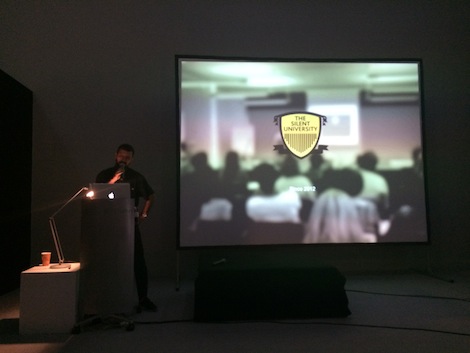
Ahmet Öğüt presenting The Silent University
Self organized, artist-curator run platforms/schools/organizations RAW Material Company, SOMA, The Silent University, Samdani Seminars, Open School East, Casa Tres Patios, ruangrupa and Triangle Network prepresented their understanding of education and structures they've built. Inevitably, problems vary, depending on the geography or country the platfrom/school is placed.
As you have already recognized that the title of the conference ends with a question mark. Seeking new forms for art education drags lots of questions in tow, indeed. Therefore, I've decided to write down some of the questions that were posed during the presentations and discussions besides some keywords.
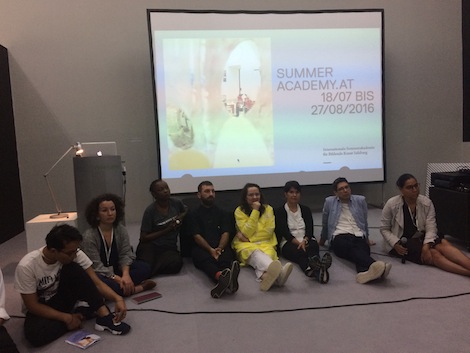
Questions:
What kind of exchange is possible between these new models?
How come critical thinking can be presented?
What is your programme?
How do you develop it?
Who are your lecturers?
Who is your audience?
What constitutes the local in relation to global?
Isn't the word "global" problematic per se?
Where does the notion of global come from?
How to find new finds of getting money not only one sponsor?
How are the funds constructed?
Notes:
structuring thinking
collective learning center
how to sweep away hierarchy
Not replacing an institutional setting but adding a layer
Rethinking alternative methods for the current education system
Degrees validation qualification
Pablo Helgueara's idea: transpedagogy
Internationalism
expanding locality
The problematics of terminology... As the Koyo Kouoh from RAW Material Company said: "We are all struggling those words." how to use these already existing words in a new context with different intentions
Exchanging the curriculum
Collaborations for long-term researches
Dealing with same subjects in different local contents
Challenges of the futures
Visions
Financial problems
The importance of independence of funding money, finding new forms of finding funding
Politics of funding
Political correctness
Infiltrate
Hacking
Parasithic element
Borrowing
Superimposing
Updating the pedagogic heritage
Sharing instead of being competitive
Censorship
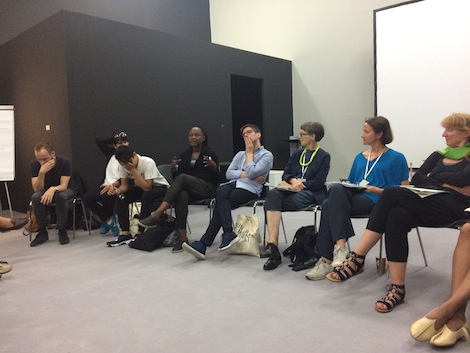
An Encounter with a Web
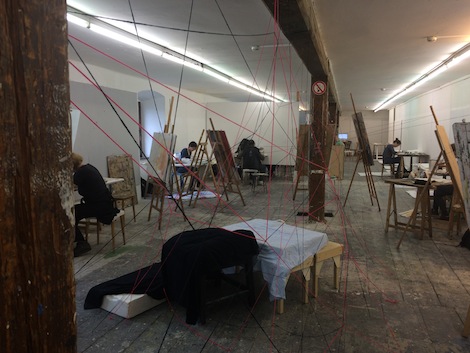
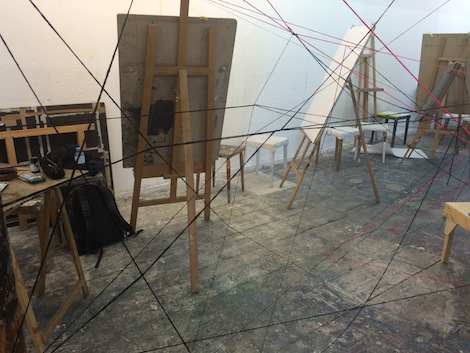
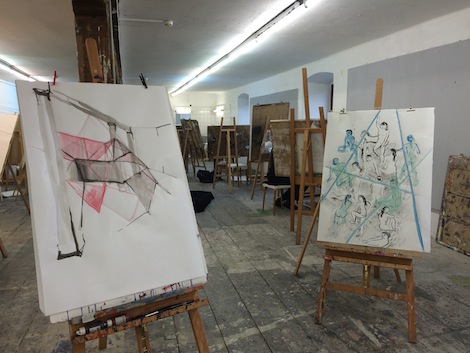
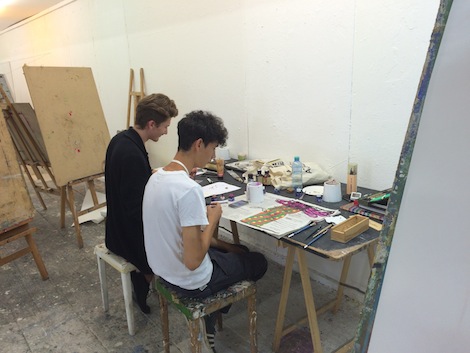
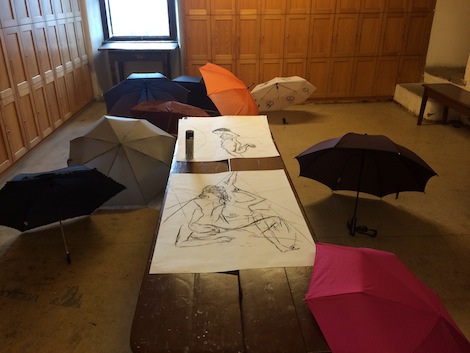
Meanwhile in the art writing class, Kimberly Bradley was putting herself in a vulnerable position by showing a text of hers that has edited in detail:
“I’ve never exposed my edits to anyone before. This is like showing your underwear drawer.”
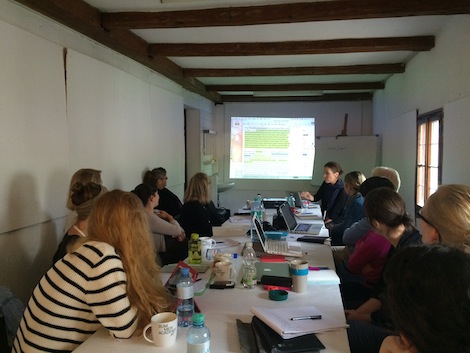
Witches Out
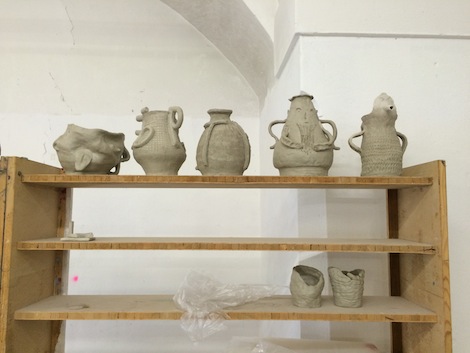
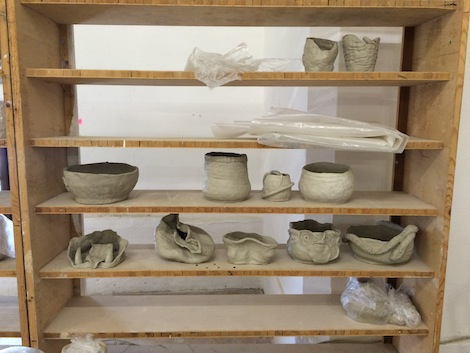
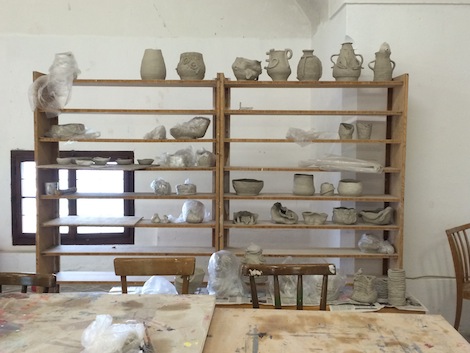
In one way or another, the flow of subconscious and the exercises to let the witches out have been practiced in all classes that have started this week. I was passing by Sanem Okudzeto’s Unorthodox Approaches to Drawing and the artist was talking about “doing exercises for subconscious”. Aaron Aangel’s ceramics class Radical Handbuilding flirt with clay, a material that most of them have never worked with before. As one of the artist-students said to me, what's unique about the Summer Academy is the fact that you can start from the scratch, learn a totally new technique intensely to be able to use in your own practice. Now, the exercise to overcome the fear of the blank page is taking place in Kimberley Bradley’s Images into Words: Writing About Art. It is based on writing freely; the rule is to let go and keep the fingers moving without stopping and correcting yourself.
I’ve spent the whole yesterday and this morning with Kimberly Bradley’s writing class. Bradley gave an introduction to forms of art writing and the practice of looking at something. For instance, the renowned writer asked what the students focus on when they are visiting an exhibition. Is it the feeling, the space, the choreography; or the content, purpose of the exhibition or materiality? "What is it? What does it mean? Why do we care right now?"
An Homage to Albrecht Dürer
We have news!
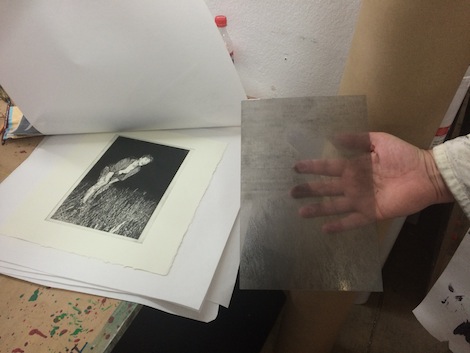
During the Open Studios of Printmaking class by Lukas Pusch, one of the engravings of Mediha Didem Türemen was chosen for the collection of Albertina Museum in Vienna!
Influenced by Dürer’s A Wing of a European Roller (1512), A Hommage to Albrecht Dürer is the first woodcut print that Türemen has ever worked on (Because of certain rights, I won't be able to share the image of the piece). I remember the moment when we were sitting near the entrance of the Academy and with such enthusiasm Istanbul-based artist was talking about her special visit to Albertina to see the original of the wing. In 2013, the artist received a prize with an etching in Florence Biennial that was also inspired by Dürer's same work.
Recently, Türemen shared feelings through the social media:
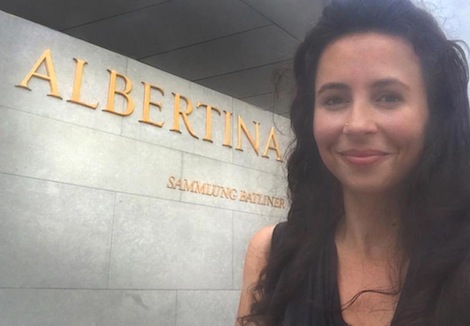
“Great news from Austria : The engraving I’ve been working on in Salzburg, is now in the Albertina Museum's Permanent Collection.
Following a dream-like twist of events that occurred, it stands next to Albertina’s old master artworks by Leonardo da Vinci, Dürer, Rembrandt, Van Gogh and Picasso… Let this photo be a reminder that my work will now live under the same roof with those of centuries old artists’. I have a smile on my face with the great satisfaction of handing over my print “Homage to Albrecht Dürer” to the collection and also been given the privilege to access the museum’s underground, password-protected “vault” made of steel for a private viewing of 5 of Dürer’s original masterpieces that I worked on. See you at the great Dürer exhibition in 2019, Albertina!”
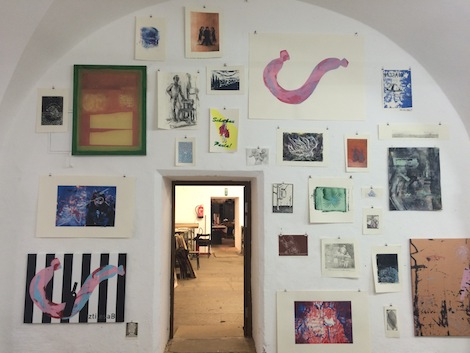
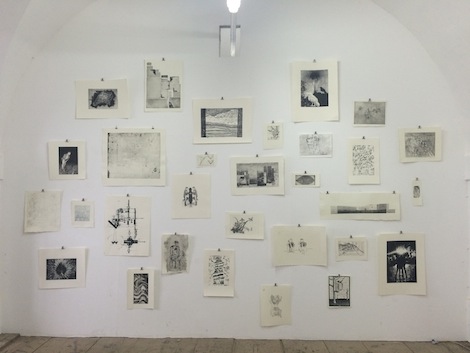
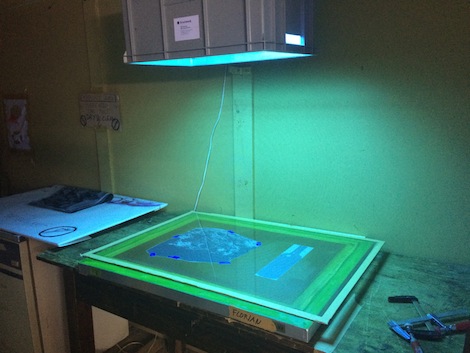
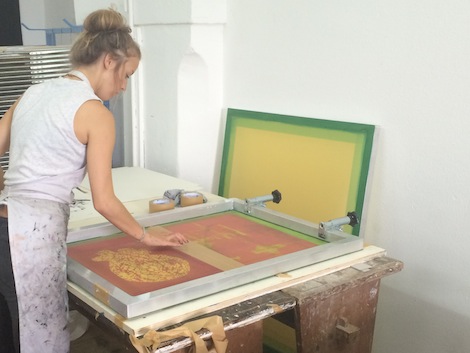
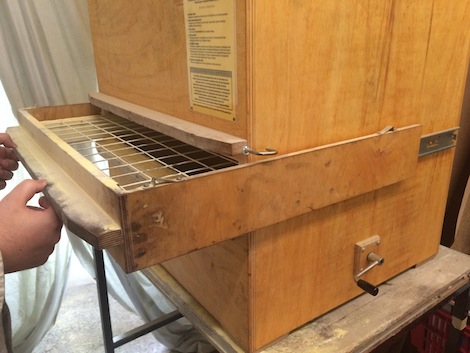
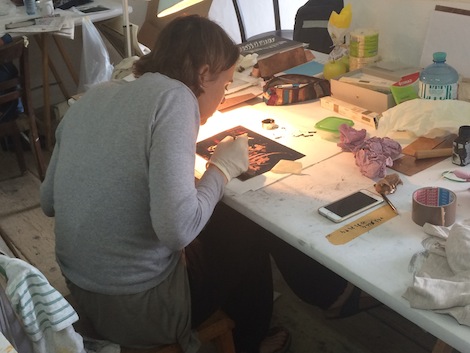
Here is a sneak peak of the class: two weeks ago, artist Lukas Pusch gave me a short tour by explaining almost every corner. Besides using techniques such as woodcut or aquatinta they had also built their own screen print machine.