Scenes From Open Days: End of Week 4

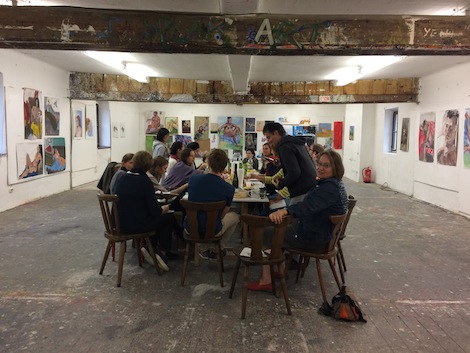
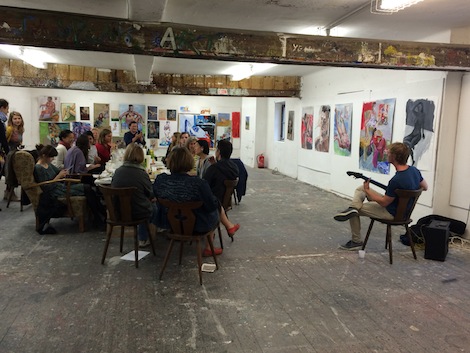
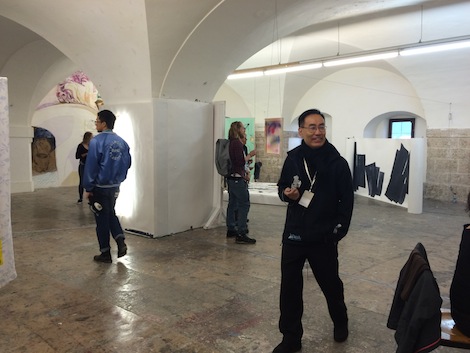
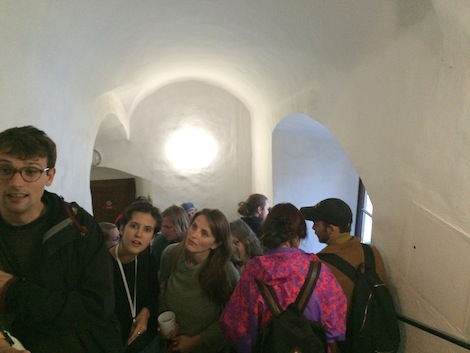
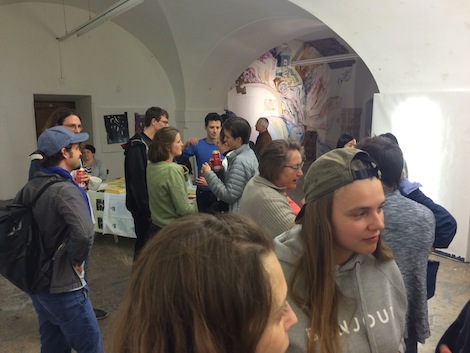
 Another day of happy faces ambling around...


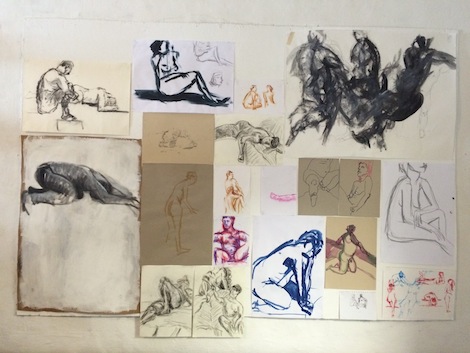
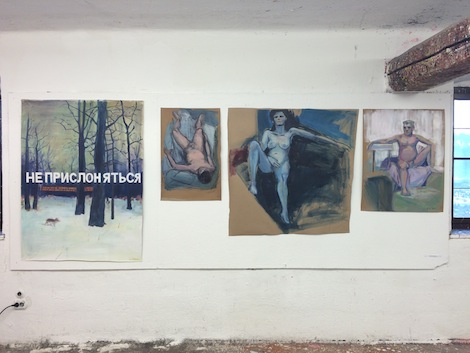
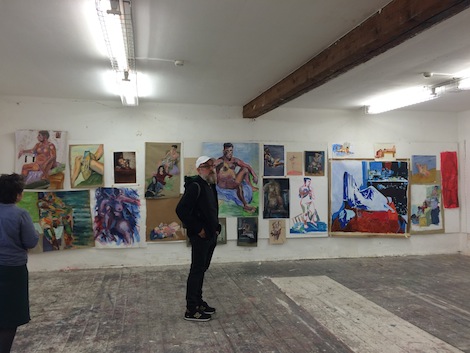
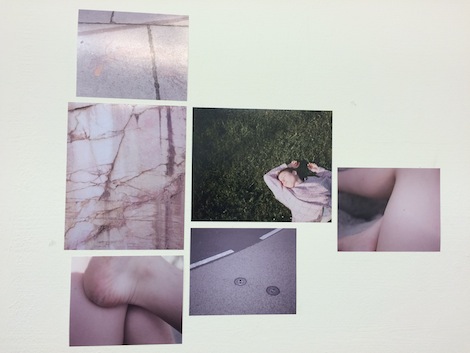
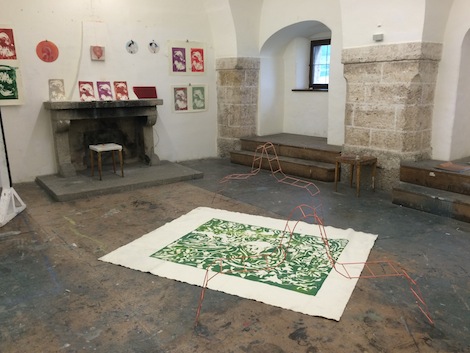
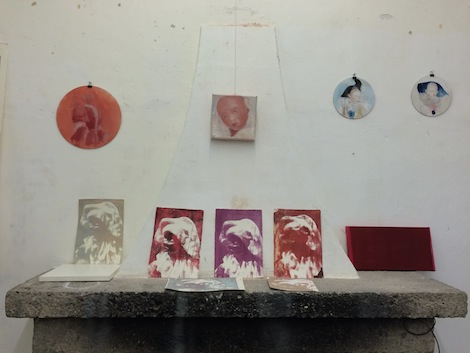
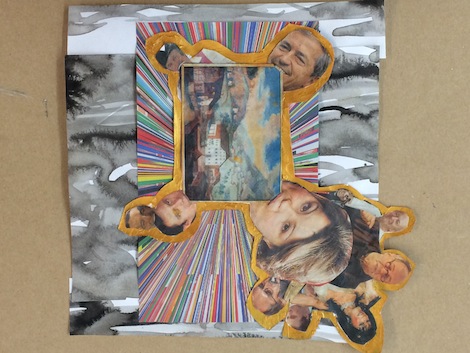
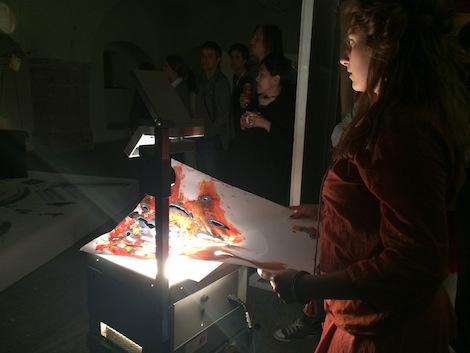
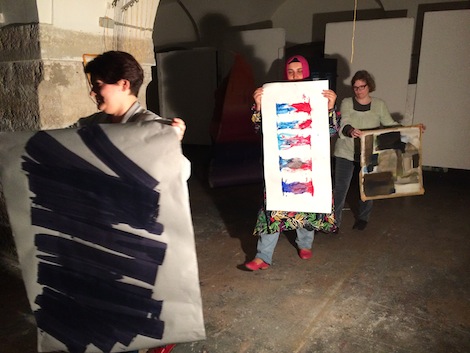
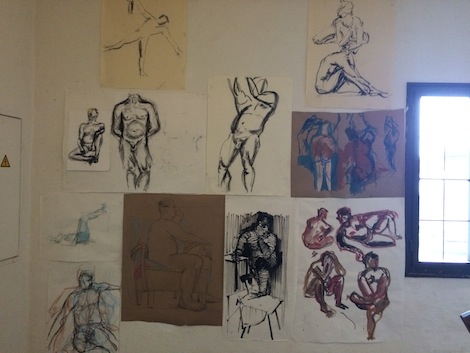
Irina Nakhova's class The Nude: Interpretation in Painting


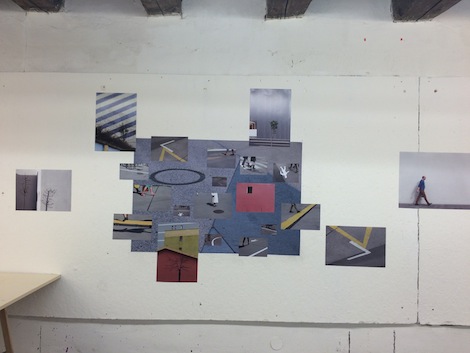
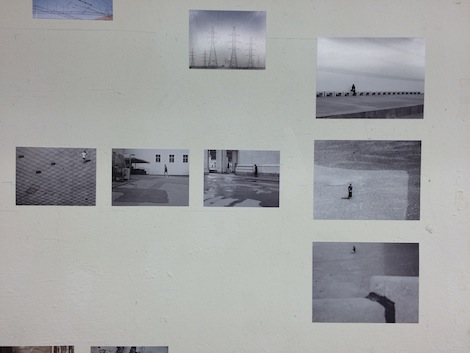
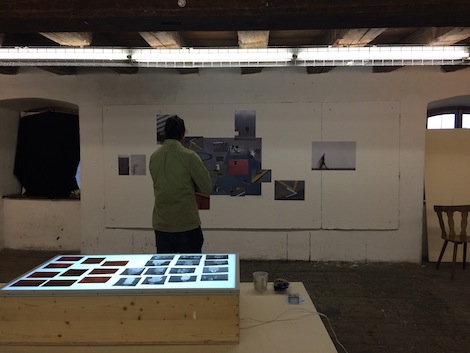
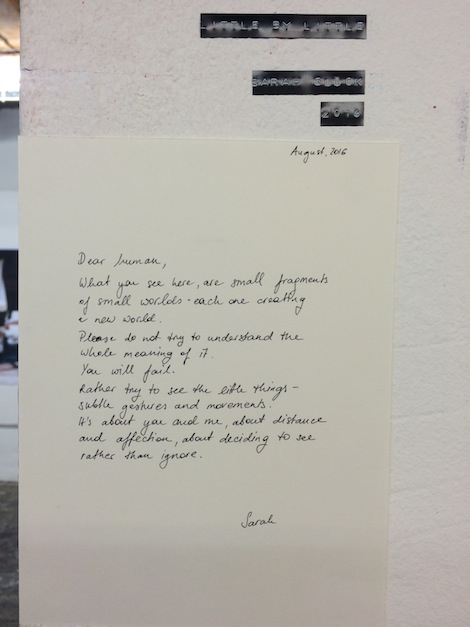
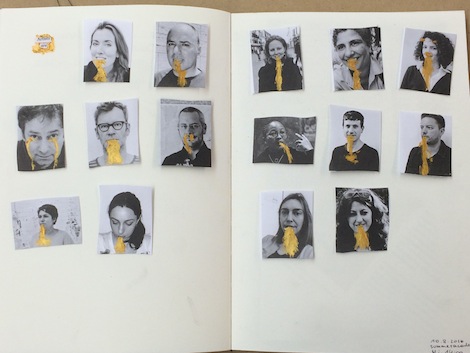
From Valerié Jouve's class Photography: As a Tool of Encounters


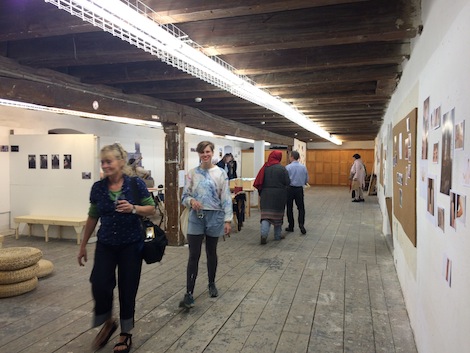
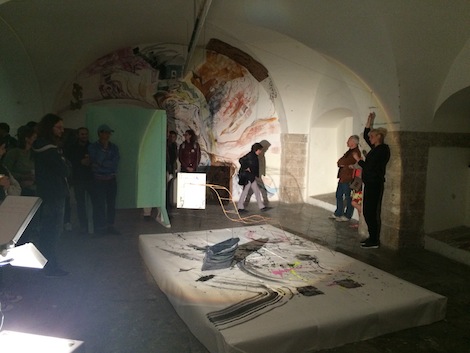
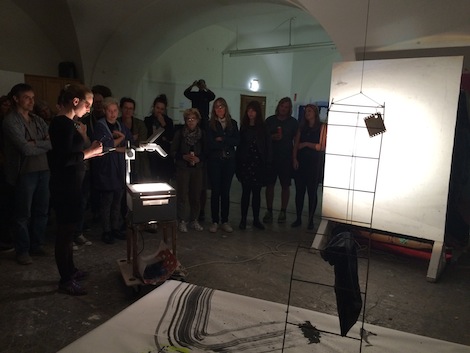
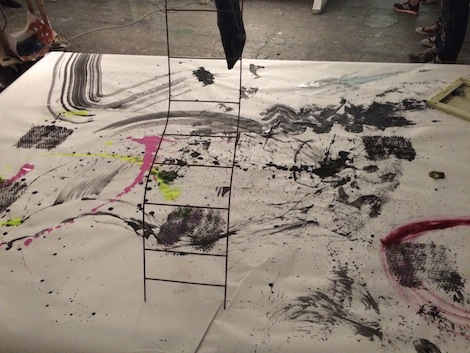
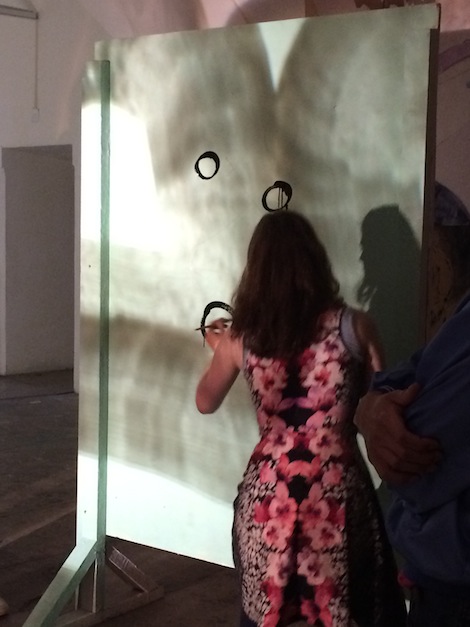
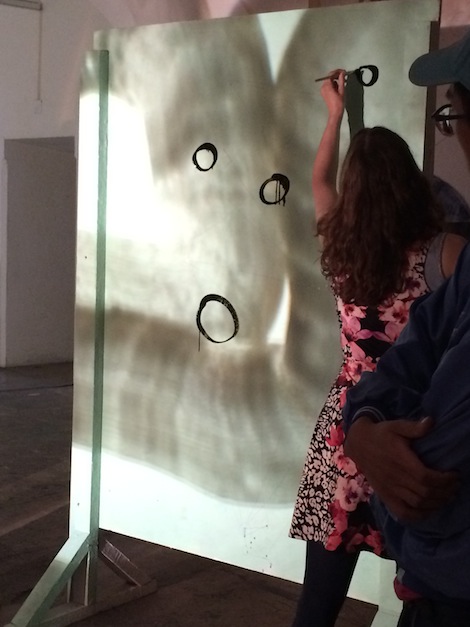
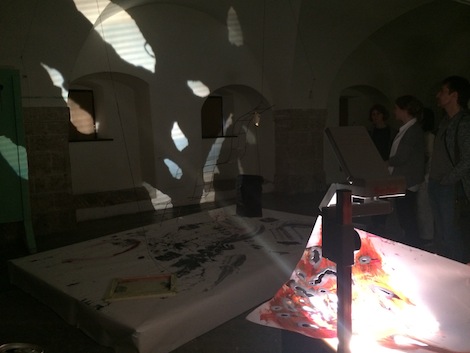
Who am I as a Painter, in Painting, in Making? by Melissa Gordon


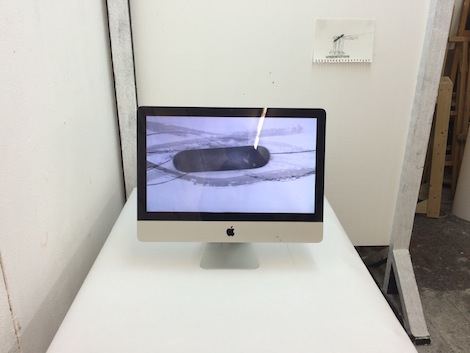
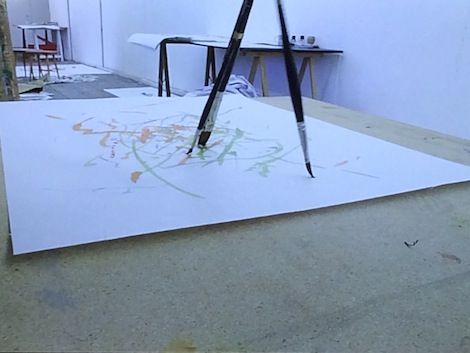
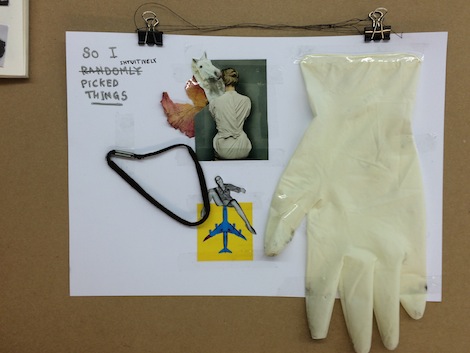
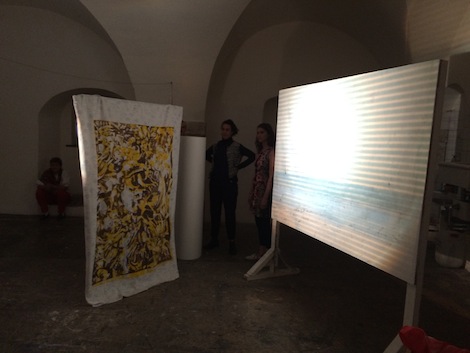
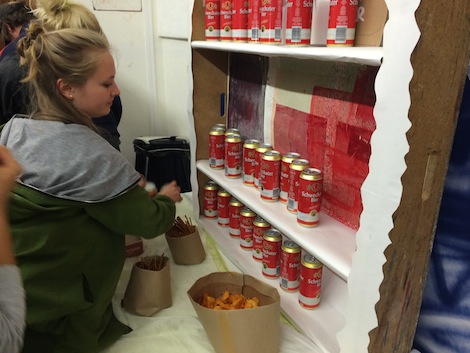
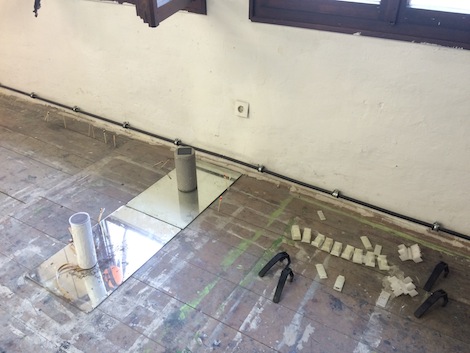
Senam Okudzeto's class Unorthodox Approaches to Drawing


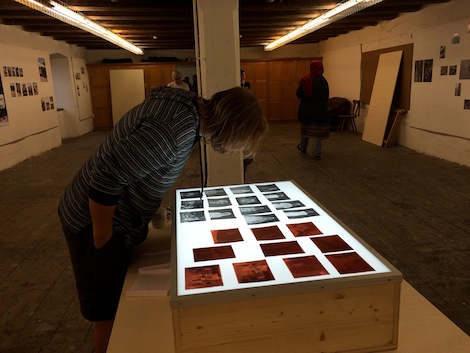
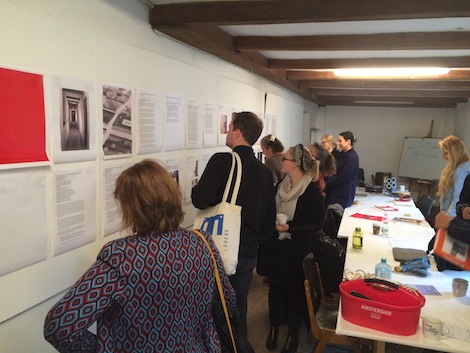
Kimberly Bradley's class Images into Words: Writing About Art exhibiting the pages of their zine


16/08/16 16:46 Summer Academy 2016

with Kimberly Bradley

Because of the dedication and speed in the Academy, from time to time our minds resemble a chaotic jumble. Despite being extremely busy, art critic Kimberly Bradley answered my questions on her class Images into Words: Writing About Art and problematics around recent interest (!) of artists on immigration and asylum. It was a great pleasure to meet with the writer in person and to see that besides being an influential writer, she is, umm, so cool. (I know, I sound like such a groupie!)


The class is ending today, and they're working like ants to publish their zine on time!
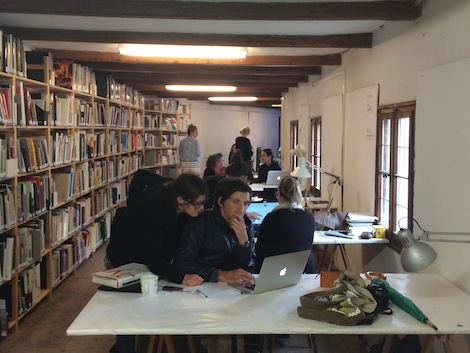


G:This is your first time teaching art writing in the Summer Academy, however you have been giving classes on contemporary art in NYU Berlin. How is this new experience for you? Could you explain the structure of the class more?
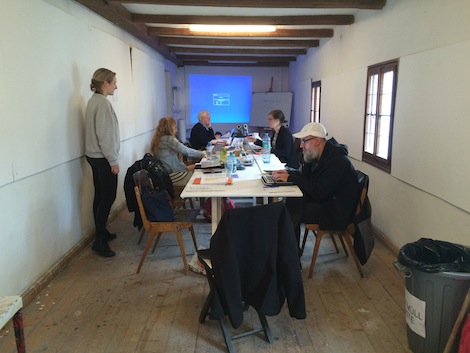

K.B: It’s been pretty fantastic, intense, and temporally so different from the NYU Berlin classes, which go over 15 weeks. My students at NYU Berlin have a week to write each short assignment – the Summer Academy class has managed one piece of writing every day! We’ve been alternating discussion and viewing art with writing exercises and a good amount of homework. Important points have been how to look at artwork and exhibitions and respond slowly, then quickly.  We did a  “freewrite” on Tuesday, in which the students had to articulate their first responses to an artwork I showed as a slide on the wall, which happened to be one made years ago by my colleague Senam Okudzeto – freewrites break down inhibitions and gets students to trust their instincts. The past two days we’ve been working on how to revise one’s own texts, and we're also putting together a ‘zine – a collection of writing from the class in digital-magazine form. I also give mini-lectures on the mechanics and strategies of art writing and issues around art criticism; these have been more lively as the week has gone on.


G: Recently, as mentioned in your talk, you have been working on a piece focusing on the problems that refugees in Vienna have been dealing with. Could you tell us more about it? I was also wondering how you observe the rise of artists working on topics related to refugees.


K.B: I actually published a long-form piece on the topic in late May, for the publication produced by the Austrian pavilion for this year’s Venice Architecture Biennale; its overal curatorial theme is “Reporting From the Front." The Austrian pavilion took this literally and created a newspaper documenting what its curators did –  they sent three architecture and design firms to three refugee shelters (one each) in Vienna and come up with ways to improve not only the physical living conditions in the shelters but also to work long-term with refugees on solutions to temporal problems — one of the biggest issues is months, sometimes years, refugees wait for decisions on their status. 
 
 
My essay was not about the architecture, but about the people living in it; their pasts, their current plights, their dreams. I spoke at great length to asylum seekers from Syria, Afghanistan, and Iran  – some of the interviews were heartwrenching, emotional conversations – and put their stories into an Austrian context. 
 
 
Otherwise, through earlier newspaper reporting in camps and train stations (!) during fall 2015, I’ve befriended several Syrian refugees and they’ve become dear friends who sometimes need some support, often just an ear. But the odd thing is that I feel a tremendous amount of support from them, too – just like them I’m relatively new in Vienna, and we laugh at the similar problems with “integration” we all have, even if my situation is dramatically different from theirs. Some of this might become a non-art related piece of writing. We’ll see. 
 
 
As to artists working on topics related to refugees: There seem to be a few types of them. First are the superstars who’ve suddenly decided to make the issue theirs – most notably Ai Weiwei showing Lesbos life jackets everywhere and Olafur Eliasson’s recent show at TBA21 (art stars’ involvement, even if backed by good intentions, is highly problematic to me and a little too much to go into here  — one of my Syrian friends asked me, at the TBA21 show’s opening in March: “Do these people have any idea about our reality?”). Second, a scad of other artists seem to be jumping on the topic out of guilt, the desire to feel better about themselves, or simply instrumentalizing the situation and doing one-off projects that are also quite problematic. Of course artists respond to their surroundings and always have, but it’s maddening for me to read Facebook posts asking “If anyone knows any refugees who could be in my art film for one day” and such things. So displaced people are mere art material?. Then, of course, there are those artists who’ve worked for years on identity, migration and displacement as well as geopolitics/history (Hiwa K, Walid Raad, and Wael Shawky are some examples from the Arab cultures). I’m even hearing from one of my young Syrian friends about artists in Damascus who are doing intriguing underground projects that no one on the outside knows much about. It’s still all a bit of a whirlwind in my mind but I feel a long period of research and engagement … and writing … coming on.
12/08/16 16:45 Summer Academy 2016

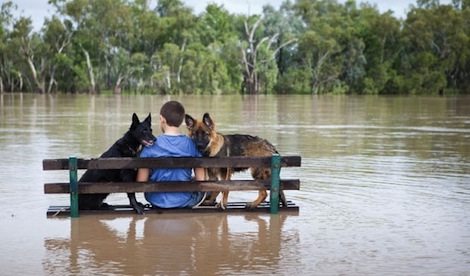
Urgent for Macedonia

Image source: Macedonia Online


Hi, Goksu,


It's Magdalena Filipova, we`ve meet yesterday, I told you about the problems in my country, Macedonia.


So, the problem is that, on 6 August 2016, a storm with strong winds and flood hit Skopje and the western parts of the country, leaving at least 21 people dead and dozens injured or missing. The water level reached as high as five feet (1.5 metres) in some of the affected areas. Many homes remain flooded and without electricity, some are reported to have collapsed.

 
So, my classmates from the jewelry course, our profesor Marc Monzo and the assitent Andrea agreed that maybe we can do something about it, some help for the people in my country. 

 
There is numbers for international donations, so if you share this at the blog of the academy it will be a big help for us.  Also i am sending you the numbers here and bank details for donnations.
 
Donations (1,5 euros per call) by calling the Red Cross telephone numbers


NAME OF THE ORGANIZATION: MACEDONIAN RED CROSS

BANK NAME: KOMERCIJALNA BANKA AD SKOPJE

BANK ADDRESS: UL. ORCE NIKOLOV NO.3, 1000 SKOPJE,

MACEDONIA BANK ACCOUNT: 300000000000133 25730522-11

SWIFT CODE: KOBSMK2X

IBAN CODE: MK07300701000001228


12/08/16 16:44 Summer Academy 2016

Paintings Walked

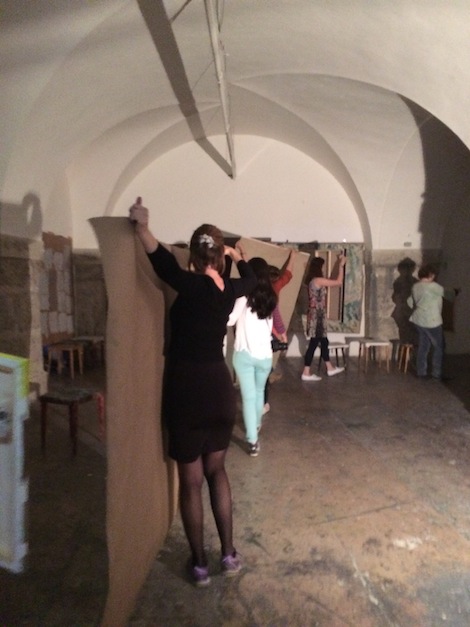
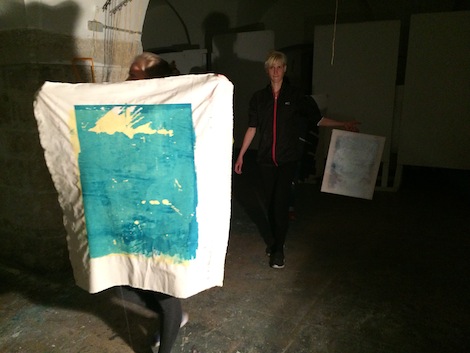
Last night, I left the Fortress around 21:30. Melissa Gordon's painting class Who am I as a Painter, In Painting, In Making? put on an impressive performance by using not only paint but also various materials such as fabric, overall projector and text... A painting was worn, objects flew away from the paintings, dots became the protagonists and other paintings were carried as if it's a beauty contest,  while an artist-student was describing them with immediate word flow.


Beforehand, Valerié Jouve took a photo of the absolute musts of the Academy: the technicians some are also artists. Even though Stephen Mathewson, Johannes Knall, Sebastian Schindlauer and Thomas Muthwill work a lot, a huge smile always awaits for you.
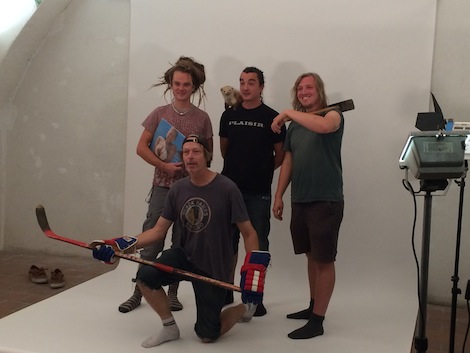
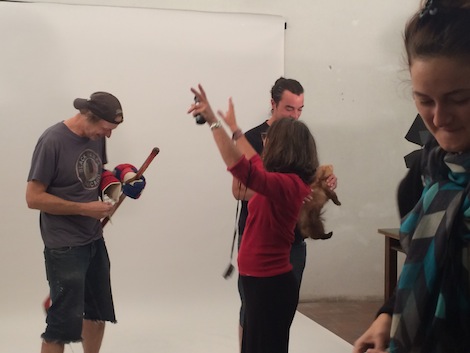


Melissa Gordon reading the poem on dots...


12/08/16 16:42 Summer Academy 2016

Pointful Walks and Excursions
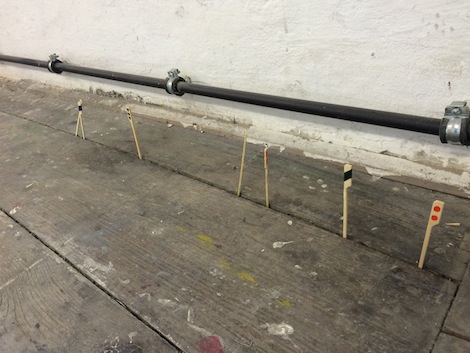


Matthew Crookes is an artist based in Berlin, for whom text is an important part of his ouevre. Last week, I got a mail from Nora Schultz introducing Crookes's blog Pointful Walks and Excursions. Besides building an installation as a part of the sculpture class, Crookes wandered around the city to mark certain points with objects that he names as lexicons. Each act is documented through the afore-mentioned blog. We've talked with the artist about the inspiration and the basics of this idea. 


G: Why did you decide working with these particular objects that you name as "lexicons"?


MC: The subject we are studying in this course is “walking out sculptures.” We were talking about interventions, particularly in an environment controlled like Salzburg. Very often, the intervention has to be you, because here you cannot make a mess. So, it has to be something you carry with you.


It really began with the objects, the imagery of the objects. I’ve first started with the coffee stirers I found that make quite nice markers. In my mind, I had a mental image of marks that appear on maps. From that I’ve ended up building this lexicon a system of signs. But, it’s quite unconscious. It didn’t actually mean anything itself. From that, I thought what might be a nice idea is to start with a lexicon and trying to find a meaning.


G: What kind of signs were they? Did they just pop up in your head and through time you started to give meaning to them?


MC: Yes, it was quite subconscious. Often little red circles, like badly printed signs on cheap paper. The same thing was happening with the ink on wood. It kind of revolved as well: I began to use nail polish or gold pen for instance. That also became the part of the language.


I was looking for meanings to give to each of these symbols. I thought it would be a quite good idea to find a feature or even completely non-descriptive and mundane environment for the markers. So I just pursued from there.
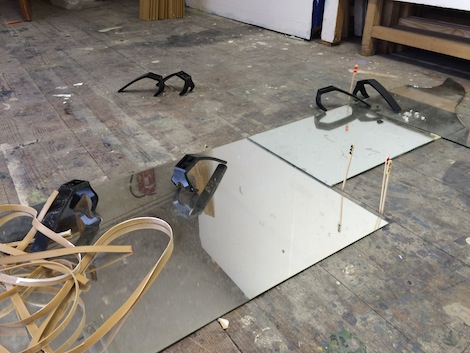


G: How do you choose the spot to mark?


MC: It’s quite spontaneous like the whole thing of Pointful Walks and Excursions. I start to walk perhaps with a particular idea in mind, but as the walk progresses you recalibrate. What originally was the plan is changed with an encounter on the way. It references to Guy Debord and psychogeography. It’s always much more about what happens during the walk. For example, in the first walk I took here, I found myself right out into the suburbs, at the city limits.


G: Although it comes from Guy Debord’s situasionist walks and you work intuitively, do you have a specific method?


MC: It’s more sort or circumstances of feelings that make sense. When I come to pick a spot, I try to vary it. There isn’t repetition. For example, the one in the middle of the traffic island has a certain kind of bathos as well. They are things, which you normally ignore…


G: Have you ever re-encountered them?


MC: Yes… But I think, I’m also looking out for them.


G: For the piece you have been working in the Fortress, you also use the markers.


MC: The space upstairs is like a central point. I’m going north-south-east and west – this afternoon, I’ll be heading for west. The writer, artist Alan Moore says that universe has many centres as people. Every person is the centre. It’s quite arbitrary, but I was thinking the space here as the centre.


G: How do you end the walk?


The end of the journey is pretty much determined by time, something as mundane as “the battery is out of the camera” or I just encounter a natural-kind-of-end.  The day before, we were looking for the end of Salzburg and we never quite got there. I found this strange green tower. I’ve already made the lexicon before going out, so I saw an uncanny resemblance between them and that was the end.


11/08/16 16:40 Summer Academy 2016

<< Previous :: Next >>

  • ARCHIVE
  • May  2018
  • April 2018
  • March 2018
  • February 2018
  • January 2018
  • December 2017
  • September 2017
  • August 2017
  • July 2017
  • June 2017
  • May  2017
  • April 2017